
-
admin
- No Comments
Seo search engine optimization
To give you the most useful information, Search algorithms look at many factors, including the words of your query, relevance and usability of pages, expertise of sources and your location and settings https://getlinks4you.com/outreach-links/. The weight applied to each factor varies depending on the nature of your query – for example, the freshness of the content plays a bigger role in answering queries about current news topics than it does about dictionary definitions.
And be aware that most well-known directories (Yelp, Yellow Pages, etc.) use attributes that tell search engines not to treat the links as endorsements. Which can make those links less valuable than standard links.
That’s why they operate like librarians by reading content across the web and adding it to their library. In SEO terms, we refer to this process as crawling (reading the web’s content) and indexing (adding the content to the library).
Increase visibility to your optimized content by sharing it on social networks and building links to your content. Be sure to create internal and build external links from outside sites. These activities are known as “off-page SEO.”
If you just want to try with free tools first, you will find lots of them online. Ahrefs provides fourteen free SEO tools, one for every aspect of SEO, including your central SEO dashboard called Webmaster Tools. Want even more options? Check out our list of 31 free SEO tools.
Search engine optimization seo
In other words, SEO works like a complex feedback system—to surface the most accurate, trustworthy, and relevant results for any given search using input from you, Google, and searchers. Your role is to produce content that satisfies Google’s experience, expertise, authority, and trust requirements (E-E-A-T), which satisfy its searchers’ requirements.
Through the use of technical, on-page, and off page SEO tactics, marketers effectively tell search engines what their website is about and why it should rank well in search engine results pages (SERP).
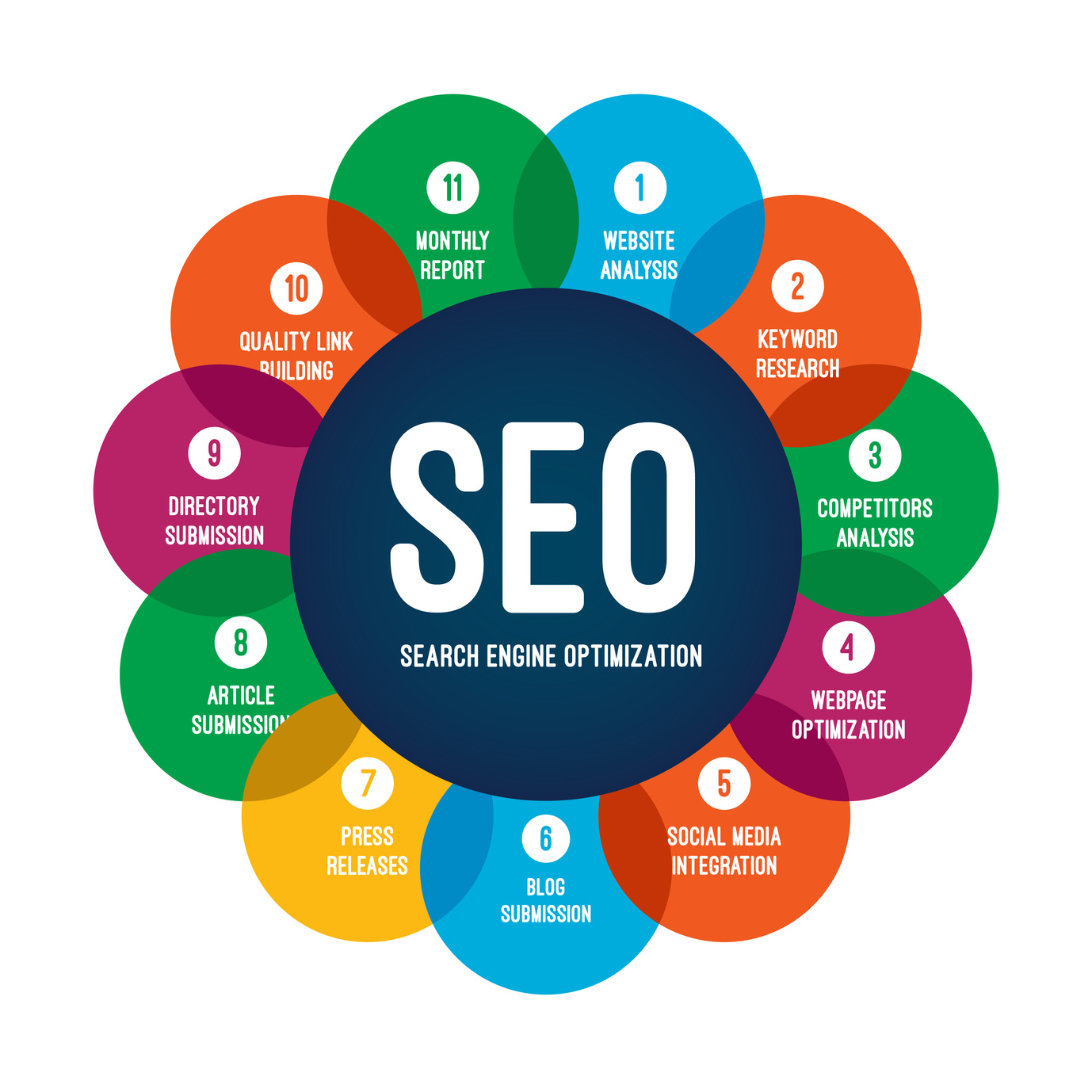
In other words, SEO works like a complex feedback system—to surface the most accurate, trustworthy, and relevant results for any given search using input from you, Google, and searchers. Your role is to produce content that satisfies Google’s experience, expertise, authority, and trust requirements (E-E-A-T), which satisfy its searchers’ requirements.
Through the use of technical, on-page, and off page SEO tactics, marketers effectively tell search engines what their website is about and why it should rank well in search engine results pages (SERP).
Raven’s drag-and-drop reporting wizard is crazy simple. In minutes, you can build reports with any combination of 30+ data modules and summary pages where you can share notes or observations. Every single tool is connected and you can customize how you surface a data point in your reports.
Track based on device type, zip code, by language, or upload keyword lists, copy and paste hundreds of keywords in rows into the tool, or just type in a single keyword to instantly begin tracking keyword rankings. You can even access historical ranking data.
Search engine optimization (seo)
This guide should get you off to a firm start with SEO optimization, but we have a number of additional resources to help you learn SEO. Many of them have been linked in the guide, but here are some more:
Your main navigation pages (homepage, about us, contact, products, services) will target keywords, but the bulk of your keyword targeting will come from long-form content in the form of blog posts. Quality, SEO content is:
To give you the most useful information, Search algorithms look at many factors, including the words of your query, relevance and usability of pages, expertise of sources and your location and settings. The weight applied to each factor varies depending on the nature of your query – for example, the freshness of the content plays a bigger role in answering queries about current news topics than it does about dictionary definitions.

This guide should get you off to a firm start with SEO optimization, but we have a number of additional resources to help you learn SEO. Many of them have been linked in the guide, but here are some more:
Your main navigation pages (homepage, about us, contact, products, services) will target keywords, but the bulk of your keyword targeting will come from long-form content in the form of blog posts. Quality, SEO content is:
To give you the most useful information, Search algorithms look at many factors, including the words of your query, relevance and usability of pages, expertise of sources and your location and settings. The weight applied to each factor varies depending on the nature of your query – for example, the freshness of the content plays a bigger role in answering queries about current news topics than it does about dictionary definitions.

No Comments